
Digital Timescapes in Urban Public Space: How Social Media Folds Pasts into Presents
Date and Time
Location
Presentation by Dr. Tabea Bork-Hüffer | Room K354, CGIS Knafel | Zoom link to register to attend virtually. | To request to view a video recording of this presentation, please use this form to contact us.
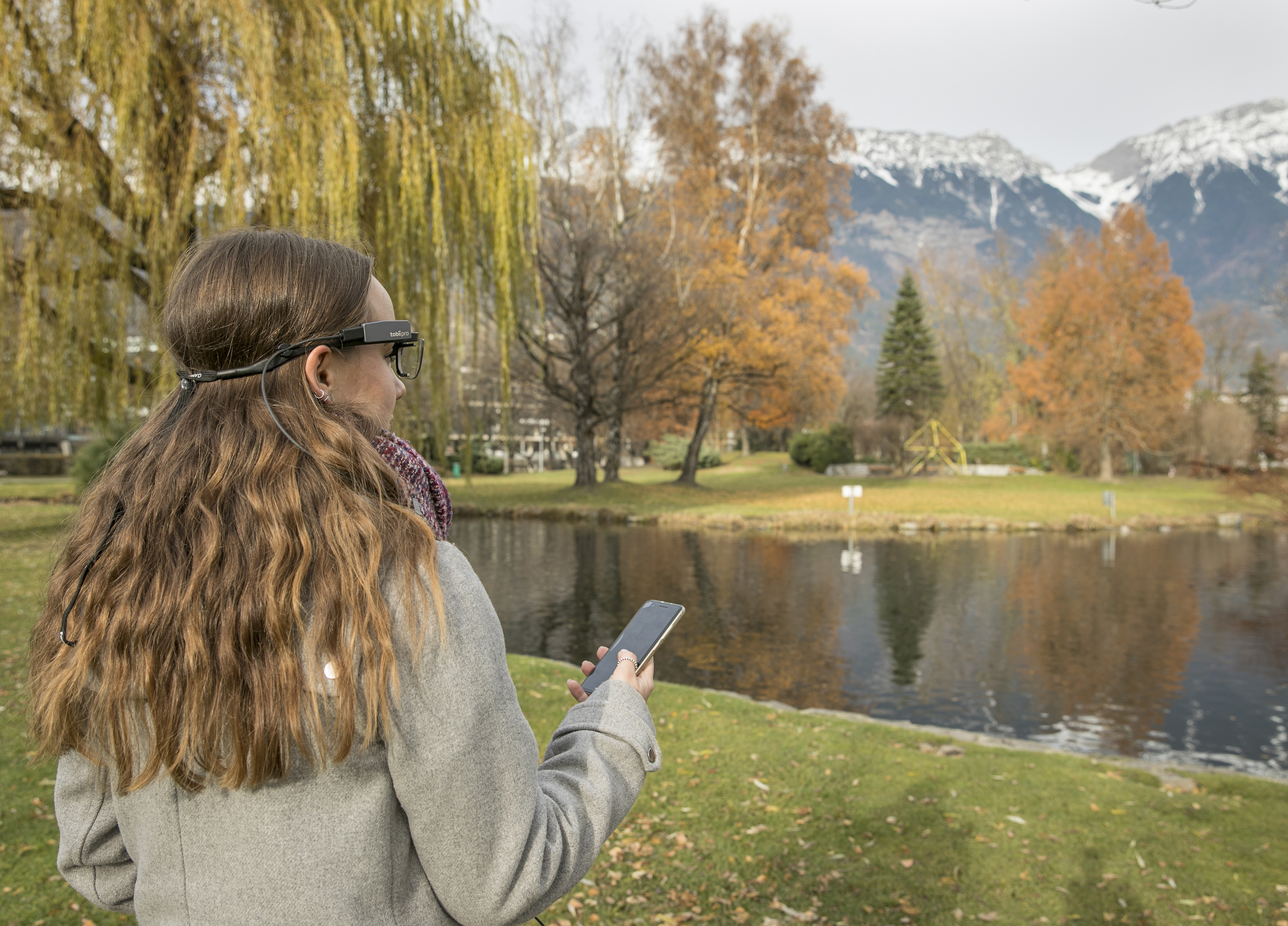
Abstract: Digital representations of space, place, and the bodies entangled within them increasingly permeate everyday public life in the digitally mediated city. Yet their roles in the in situ experience of the socio-material environments, negotiations of difference, and well-being in urban public space remain underexplored. Building on digital geography, media theory, and relational geographies of space and time, this paper offers a fresh engagement with the in situ entanglements of social media, space, and time as they unfold, drawing on a mobile and visual methods study incorporating video-based mobile eye-tracking and retrospective think-aloud interviews. The study explores how in situ engagements with social media posts about two Austrian urban parks become entangled with socio-material encounters in these parks. It demonstrates how this process contributes to the ongoing making of public space through affective ambiguity, reflexive negotiation, and imaginative amplification. The findings highlight how social media participate in the recirculation and animation of past content, thereby (re)producing particular digital timescapes and reinforcing the temporal power of majority and speculative narratives about public space and people and practices within them. The article concludes by asking how public space might be collectively digitally and materially imagined and designed in ways that mitigate moral panics about public space and the stigmatisation of others through mediated encounters.
Speaker bio: Tabea Bork-Hüffer is Professor of Human Geography and Co-Director of the Heidelberg Centre for the Environment at Heidelberg University. She is a digital and cultural geographer whose research explores the entanglements of digital technologies with everyday life, social inclusion and exclusion, social sustainability, and well-being. Methodologically, her work combines digital, mobile, and visual methods. Her regional expertise spans Central Europe, especially Austria and Germany, and Southeast and East Asia, including Singapore, Malaysia, and China. She has held international fellowships and visiting positions, including as a Humboldt Fellow at the National University of Singapore and as a Distinguished Visiting Fellow at the University of Birmingham.