
Toward Next-Generation Spatial Decision Support: Leveraging GeoAI and Cyberinfrastructure for Coastal Resilience
Date and Time
Location
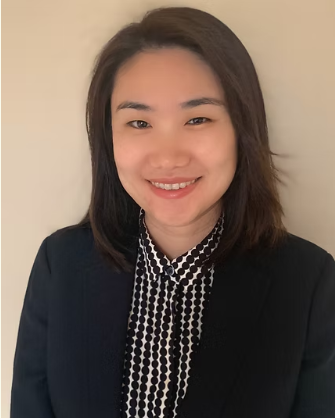
Presentation by Zhe (Sarina) Zhang, Ph.D
Date: Friday, November 21, 3:00 - 4:00 p.m.
Location: CGIS Knafel building, Room K354 (1737 Cambridge St., Cambridge, MA)
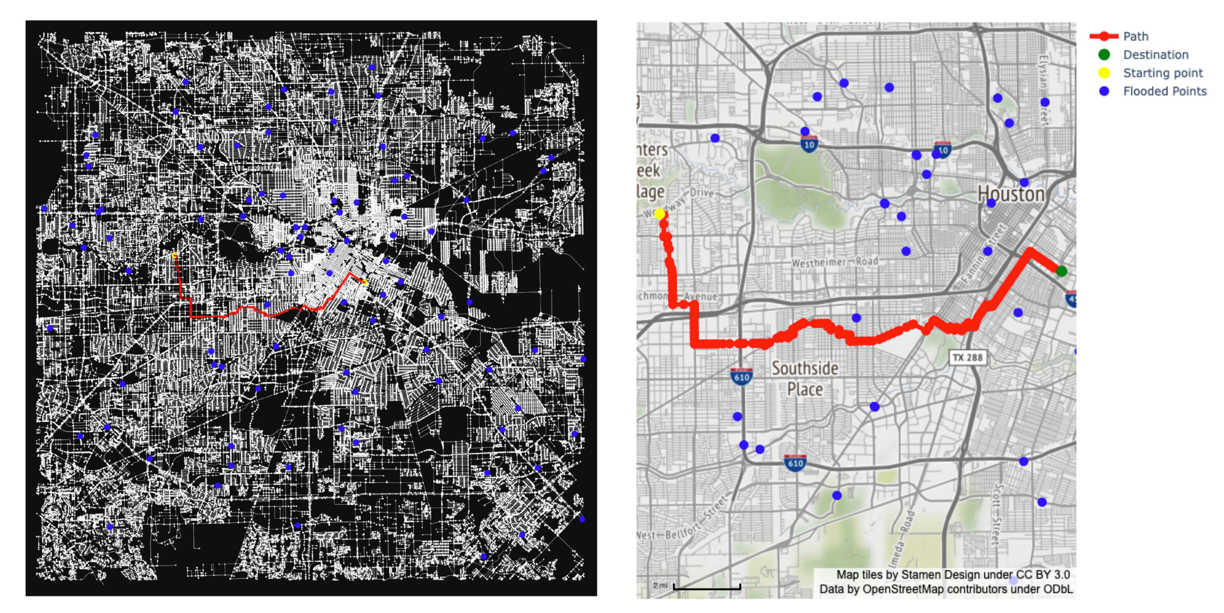
Abstract: Coastal communities are becoming increasingly vulnerable to natural disasters and environmental challenges such as stronger hurricanes, flooding, and pressures on fisheries. Addressing these issues is essential for protecting local populations and promoting the sustainable development of the Blue Economy. This presentation explores how geospatial technologies, especially Geospatial Artificial Intelligence (GeoAI) and advanced cyberinfrastructure can improve disaster management and environmental resilience. Topics will include sustainable fishery management, flood mapping, adaptive emergency routing, and the role of citizen science in disaster response. Dr. Zhe Zhang will also discuss how large language models can enhance coastal data sharing and interpretation. The presentation will conclude with an introduction to a newly funded National Science Foundation CyberTraining project focused on building a global training network for applying GeoAI in disaster management.
Speaker Bio: Dr. Zhe Zhang is an Associate Professor in the Department of Geography at Texas A&M University, with joint appointments in the Department of Electrical and Computer Engineering and the Texas A&M Hazard Reduction and Recovery Center. She is also a voting member of the Gulf of America Coastal Ocean Observing System. Dr. Zhang has served as Chair of the Cyberinfrastructure Specialty Group of the American Association of Geographers and was elected to the Board of Directors of the Cartography and Geographic Information Society. She also serves as Chair of the Research Committee of the University Consortium for Geographic Information Science. Her research focuses on developing spatial decision support systems by integrating advanced cyberinfrastructure, geospatial artificial intelligence (GeoAI), and participatory design to address critical challenges in disaster management and sustainability. Her interdisciplinary work spans GIScience, disaster science, decision science, and cognitive science, and has developed strong collaborations across a wide range of organizations. These partnerships have led to competitive proposals funded by federal agencies such as the National Science Foundation (NSF), National Aeronautics and Space Administration (NASA), U.S. Department of Transportation (USDOT), National Oceanic and Atmospheric Administration (NOAA), and the National Geographic Society. She has published peer reviewed articles in several leading GIS-related journals, including the International Journal of Geographical Information Science, Annals of the American Association of Geographers, Transactions in GIS, Cartography and Geographic Information Science, and the International Journal of Digital Earth. She currently serves as an Associate Editor for the journal Computational Urban Science. Dr. Zhang has been honored to receive both the Pathways Award from Texas A&M Faculty Affairs and the National Science Foundation CAREER Award in recognition of her impactful research.